

Introduction
Housing is more than just a roof over our heads. It’s a cornerstone for security, stability, and well-being, especially in a diverse and dynamic country like Australia. Homeownership, in particular, holds an esteemed place in the aspirations of Australians, providing not only a sense of housing tenure security but also opening the door to a host of long-term social and economic benefits (AIHW 2022). However, the conversation around homeownership and housing affordability has sparked rigorous debate in public forums.
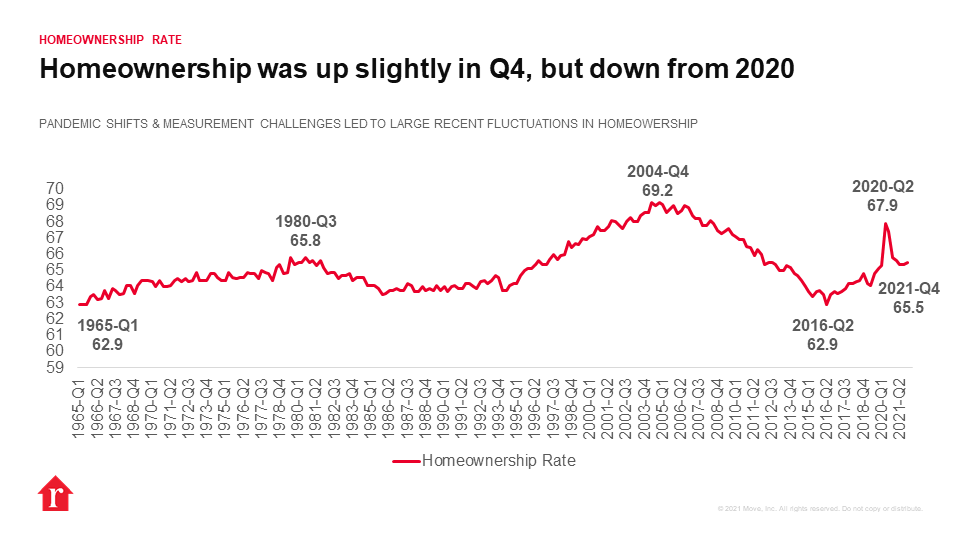
Source: Realtor.com
In 2021, Australia recorded approximately 9.8 million households (ABS 2022a). A detailed assessment of housing tenure types among these households presented the following statistics:
Homeowners accounted for 67% (6.2 million households), divided into those without a mortgage (32%, 2.9 million households) and those with a mortgage (35%, 3.3 million households).
Renters represented 31% (2.9 million households), further categorised into those renting from private landlords (26%, 2.4 million households), state or territory housing authorities (3.0%, 277,500 households), and other landlords (2.4%, 223,600 households).
A marginal proportion (2.1%, 192,200 households) belonged to other tenure types, comprising households neither owning their homes nor renting (ABS 2022a).
Evolving Trends in Homeownership and Housing Tenure
While Census data offers the most comprehensive understanding of Australia’s housing tenure, its five-year interval necessitates supplementary data sources to observe more immediate changes. The Survey of Income and Housing bridges this gap, shedding light on housing trends during non-Census periods.
The past two decades leading up to 2019–20 have witnessed a pivotal shift in housing tenure. The proportion of households owning their home outright has dwindled, whereas households with a mortgage and those under private rental agreements have seen an uptick (Figure 1) (ABS 2022b).
Understanding the Shift
This notable shift from outright ownership to increased mortgaging and renting reflects a combination of various socio-economic factors. Changes in housing prices, wage growth stagnation, demographic transitions, and alterations in lending policies all contribute to these evolving trends. However, homeownership continues to retain its allure for many Australians amid this dynamic landscape, prompting a persistent reevaluation and restructuring of the nation’s housing market.
Concluding Thoughts
As Australia’s homeownership and housing tenure landscape continues to evolve, the requirement for strategic and responsive housing policies is paramount. A thorough understanding of these trends and adaptive strategies can guide the nation towards sustainable and inclusive homeownership. Despite the myriad challenges, the Australian dream of homeownership continues to burn bright, fueling the discourse on housing in the Land Down Under. It is a testament to the enduring belief that secure and affordable housing can become a reality for Australians with perseverance, adaptability, and sound policies.
In podcast episode 97, we unravel the truth behind buying, lending, and self-managed super funds. Ever dreamt of securing your financial future through real estate? Get ready to turn that dream into reality. We break down complex topics and reveal the secrets of successful wealth generation through property.
In a world where financial independence is a sought-after dream, Raymond Hempstead, a seasoned financial expert, shares his wisdom and insights on self-managed super funds (SMSFs), aiming to debunk the prevailing misconceptions around this wealth-building strategy. With years of experience in the financial sector, Hempstead’s unique approach to investment and lending strategies provides a fresh perspective on the opportunities and potential pitfalls of SMSFs.
Self-Managed Super Funds are private superannuation funds that individuals manage independently. Governed by Australian taxation laws, SMSFs are designed to provide a reliable income stream post-retirement. As the trustee of your SMSF, you wield the control over the fund’s investment strategies, including potential property investments. This level of control and flexibility is what draws many Australians towards establishing their own SMSF. However, it’s imperative to debunk the myths that often surround buying and lending through an SMSF.
Contrary to popular belief, SMSFs are not exclusively reserved for the affluent class. A commonly held myth is that you need a vast fortune to set up an SMSF, which is not the case. Starting early and with a smaller amount can have a significant effect on the returns in the long run due to the power of compounding.
While managing an SMSF does entail a learning curve, it is not an impossibly complex task. It’s about understanding the nuances and leveraging strategic resources. With the proper knowledge and guidance, the process of buying property through an SMSF can be navigated efficiently.
It is important to realize that the risks associated with borrowing in an SMSF are not entirely different from those when investing outside super. Like any other investment strategy, there are inherent risks, but they can be effectively managed through careful planning and appropriate risk mitigation strategies.
The scope and potential of SMSFs are vast. By debunking misconceptions and understanding the processes involved, individuals can leverage SMSFs effectively, paving the way towards a secure financial future. The journey towards mastering SMSFs involves continuous learning, strategic planning, and sensible decision-making, which, when combined, unlock the wealth of opportunities that SMSFs offer.
In a climate where working from home, flexible hours, and task management software are becoming commonplace; employees are experiencing less stress. However, a recent study by Asana, a leading work management platform, paints a starkly different picture. A shocking 45% of workers grapple with the double whammy of burnout and impostor syndrome, two persistent mental health issues that can significantly impact productivity and overall well-being.
Impostor syndrome is when an individual doubts their skills, talents, or accomplishments and harbours a persistent internalised fear of being exposed as a “fraud.” On the other hand, burnout is a state of chronic workplace stress that has not been successfully managed, characterised by exhaustion, cynicism, and reduced professional efficacy.
The interconnectedness of burnout and impostor syndrome comes as no surprise. A person suffering from impostor syndrome will likely work excessive hours to prove their worth, eventually leading to burnout. Conversely, with its accompanying emotional and physical exhaustion, burnout can make workers feel incompetent and perpetuate impostor feelings.
In today’s hyperconnected working environment, the “always-on” culture can make it harder for individuals to establish boundaries between their professional and personal lives. This encroachment contributes to the high rates of burnout and impostor syndrome among employees.
The Asana study highlights the silent epidemics lurking in our workplaces. While companies are becoming increasingly aware of the importance of mental health, the data suggests that significant work remains to be done.
Organisations must foster an environment supporting open dialogue about mental health to reverse these worrying trends. Providing resources for stress management, reinforcing positive performance feedback, and offering flexible work policies can help alleviate feelings of impostor syndrome and burnout.
Moreover, leaders can play a crucial role by setting healthy boundaries for work-life balance and modelling vulnerability, thereby promoting a culture of empathy and understanding.
In the face of these staggering statistics, it’s clear that both employees and employers must take active steps to confront and combat these twin shadows of the modern workplace. Through collective effort, we can foster workplaces that promote mental well-being and productivity in equal measure.
In the end, the human element of work must not be forgotten. After all, behind every email, task, or project is a person trying their best to navigate the challenges of life and work. And that person deserves support, understanding, and respect.
In podcast episode 96, we introduce you to a remarkable woman, Faithe Skinner, who successfully traded the hustle and bustle of city life for the serene landscapes of the Blue Mountains while amassing a portfolio of five properties.
This insightful episode features Faithe Skinner, a seasoned buyer’s agent, who has successfully transitioned from city life to the serene beauty of the Blue Mountains, creating a thriving property investment portfolio along the way. This episode provides a treasure trove of insights for aspiring investors, individuals contemplating a tree change, or anyone seeking a harmonious blend of a lucrative career and peaceful living.
Faithe Skinner’s tale is one of ambition, strategic planning, and embracing change. The dream of a ‘tree change,’ trading city hustle for the tranquillity of nature, might seem daunting. However, Skinner’s narrative provides a roadmap for actualising this dream. In the process, she reveals how to build a profitable real estate investment portfolio.
Skinner’s professional experience as a buyer’s agent provided her with a solid foundation for her property investment journey. Her insights into the real estate market dynamics, strategic investment approaches, and her meticulous planning have been instrumental in her success.
Through the episode, Skinner shares how she strategically selected each of her five properties in the heart of the Blue Mountains, offering listeners a peek into the thought process of a successful property investor. Her method isn’t solely about investment for financial gain; it’s about crafting a lifestyle that couples financial stability with peace and beauty.
What stands out in Skinner’s narrative is her ability to strike a balance between career ambitions and a tranquil lifestyle. Her tale is an inspiration for anyone seeking a similar path. It presents a compelling case for how one can enjoy the tranquillity of nature without compromising on their professional aspirations.
She has shown how it’s possible to thrive both personally and professionally, even after making a significant lifestyle change. Skinner’s story is not just about successful investment; it’s a testament to designing a lifestyle that embodies peace, prosperity, and unparalleled beauty.
Episode 96 of the Australian Property Investment Podcast is more than just another investment guide. It’s a first-hand account of a successful journey from dreaming about a tree change to actualising it while building a successful property portfolio.
Listeners can gain invaluable insights from Skinner’s experience and apply them to their own investment journey. The episode offers a practical perspective on property investment, the realities of making a lifestyle change, and how to successfully navigate the complexities of the real estate market.
The tranquillity of the Blue Mountains and a profitable property portfolio might seem like a dream to many. But as Faithe Skinner’s journey demonstrates, with strategic planning and the right insights, this dream can become a reality. Be sure to tune in to this enriching episode and begin your journey towards achieving your property investment goals and dream lifestyle.
A groundbreaking study has revealed the profound impact of our beliefs on our mental health. Simply believing that you have the power to improve your mental health is intrinsically linked with higher overall well-being. This connection highlights the importance of mindset and self-efficacy in our journey towards mental wellness.
The recent research explores the association between our beliefs about our capability to manage and improve mental health and our overall well-being. Participants who expressed strong confidence in their ability to influence their mental health reported higher well-being levels than those who felt they had little or no control.
The study draws attention to the critical role of our mindset. We may feel helpless and overwhelmed if we perceive our mental health as something beyond our control. In contrast, those who believe they have the power to improve their situation are more likely to take positive steps toward better mental health.
Self-efficacy refers to a person’s belief in their ability to perform actions to achieve specific outcomes. It’s a fundamental concept in psychological theory and has been linked to various positive outcomes, including better coping skills, higher achievement, and improved health.
The new study extends the concept of self-efficacy to the realm of mental health, demonstrating how our belief in our power to manage and improve our mental health can impact our overall well-being. Essentially, if you believe you can take steps to improve your mental health, you’re likely to feel better overall.
So, how can we cultivate a strong belief in our ability to improve our mental health? Here are a few steps:
Develop a Growth Mindset: A growth mindset believes that abilities and skills can be developed with effort, practice, and perseverance. Embrace challenges as opportunities to learn and grow; don’t be afraid to fail.
Practice Positive Affirmations: Positive affirmations are statements that help overcome negative thoughts. Repeated often, they can help create a positive perception of ourselves.
Set Manageable Goals: Start with small, achievable goals. Each success can boost your confidence and reinforce your belief in your ability to influence your mental health.
Seek Professional Help: Therapists and counsellors can provide you with the tools to manage and improve your mental health. They can help reinforce the belief that improvement is possible and within your control.
The link between our beliefs about our ability to manage our mental health and our overall well-being underscores the powerful role of mindset in our mental health journey. Recognising that we have control over our mental health is empowering. It gives us the motivation to make necessary changes, take positive steps, and believe in our ability to achieve better mental health and well-being.
Remember, believing in your ability to improve your mental health is not just about optimism; it’s about acknowledging your agency and taking active steps towards improvement. The journey to mental wellness may be challenging, but with the right mindset, it’s certainly possible.
Damien and Aaron recently held a LinkedIn event to tackle one of Australia’s most pressing issues concerning current and future students – the anticipated 7% increase in the Higher Education Contribution Scheme (HECS) debt indexation rate. They distil the key takeaways and insights shared during this enlightening and empowering session.
The HECS-HELP loan, colloquially known as HECS debt, plays a significant role in fostering the higher education landscape in Australia. It allows many students to pursue their educational aspirations without the immediate pressure of tuition fees. However, with the anticipated 7% increase in the indexation rate taking effect from 1 June, this beneficial scheme is about to undergo a significant shift.
The session aimed to delve into the implications of this increase for prospective borrowers and provide practical advice to enhance their borrowing capacity. The overarching goal was to equip attendees with strategies to mitigate the effects of the indexation rate increase and optimise their financial options.
The event began with an in-depth analysis of the implications of the indexation rate increase. The key point was that this change would result in a larger accumulated debt for borrowers. The effect was likened to a snowball – a small increase in the indexation rate could lead to a considerable increase in the overall debt over time. The change is anticipated to create challenges for borrowers, potentially making it more difficult to secure loans or increasing the amount of debt they accumulate.
The session didn’t just highlight the challenges; it also offered practical advice to navigate these changes effectively. Some of the strategies shared included understanding the terms of the HECS debt, planning early, considering pre-payment, and exploring scholarships and grants. Each of these steps was discussed at length, with experts sharing tips and participants asking insightful questions.
Further into the session, our experts shared specific strategies to manage the impact of the increase in the indexation rate. Pursuing in-demand careers, considering part-time work, and implementing a robust budget were presented as effective strategies. Attendees were encouraged to make strategic decisions about their education and finances, considering the long-term implications of the HECS debt.
The LinkedIn event was a comprehensive guide to understanding and preparing for the upcoming 7% HECS debt indexation rate increase. It provided viewers with the necessary knowledge and practical strategies to manage their educational investments wisely. While the rate increase does present a challenge, it’s clear from the discussions that with the right approach, students can continue to see HECS debt as a beneficial investment in their future.
In podcast episode 94, we’re diving into a topic that’s near and dear to many aspiring homeowners and property investors: struggling to save that pesky 20% deposit. We’re asking the question, could there be a way to overcome this challenge and still make confident property decisions?
To help us answer this, we’ve brought on a guest expert, Strachan Taylor, the Chief Commercial Officer of LMI at Helia.
For many aspiring property investors or first-time homebuyers, saving for a 20% deposit to enter the Australian property market can be daunting. But what if a potential solution could help overcome this hurdle? That’s where Lender’s Mortgage Insurance (LMI) comes into play.
So, what exactly is LMI, and is it a friend or a foe to those aspiring to enter the property market? Let’s dive in.
LMI is a one-off insurance premium a borrower pays when they have less than a 20% deposit for a property purchase. It’s designed to protect the lender if the borrower defaults on their mortgage. In simple terms, LMI allows you to leap into the property market sooner without saving a full 20% deposit.
LMI can be seen as a friend to those looking to get their foot on the property ladder sooner rather than later. With the rising property prices in Australia, waiting until you’ve saved a 20% deposit can mean waiting several years, during which prices may have climbed even further. Paying for LMI can seem like a small price to get into the property market faster and start building equity in your home.
Furthermore, the cost of LMI can often be capitalised onto the loan, meaning you don’t need to pay it upfront; rather, it is added to your mortgage and paid off over time.
On the flip side, LMI can also be seen as a foe, given that it is an additional cost on top of the property price. It’s important to note that while LMI protects the lender, it doesn’t offer protection to the borrower. If you default on your mortgage, you could still lose your home and also be required to pay the LMI claim.
Moreover, the cost of LMI can vary greatly depending on the size of your deposit and the property price. It can add up to thousands of dollars, ultimately increasing the size of your loan and the total interest you pay over the life of the loan.
So, is LMI a foe or a friend? Like many things in finance, the answer isn’t black and white. It really depends on your individual circumstances, your goals, and your risk tolerance.
If you’re keen to get into the property market as soon as possible, accepting the cost of LMI could be a reasonable trade-off. However, if you’re concerned about taking on larger debt, you might prefer to wait and save a larger deposit to avoid the additional cost.
Making an informed decision is crucial, considering all the pros and cons. Consult with a financial advisor or mortgage broker to understand better how LMI can impact your property-buying journey. After all, buying a property is a significant investment, and it’s essential to feel confident in the decisions you make along the way.
In today’s financial landscape, lending behaviours are crucial in shaping individuals’ financial well-being and economic growth. Whether you borrow funds for personal or business purposes, understanding lending behaviours is essential to make informed decisions and effectively manage your financial obligations. This comprehensive guide will delve into the various aspects of lending behaviours, providing valuable insights and practical tips for borrowers and lenders alike.
Understanding lending behaviours is crucial for borrowers seeking financial assistance and lenders evaluating loan applications. By comprehending the factors that influence borrowing decisions, adopting responsible borrowing practices, and staying informed about the evolving lending landscape, individuals can make sound financial choices and achieve their goals while managing debt effectively.
In podcast episode 93, we discussed an intriguing topic: First Home Buyer Benefits and What’s the Budget In It. We had the pleasure of having an expert guest, Damien Walker, who has been instrumental in helping numerous first-time home buyers and investors navigate the complexities of the real estate market.
Purchasing your first home or making an initial investment in the real estate market can be quite overwhelming. There are many options to consider, and sometimes, this can lead to “analysis paralysis,” where decision-making becomes daunting due to a plethora of choices. This is where experts like Damien come in. They bring a wealth of experience and an objective viewpoint to help make these decisions easier.
As a first-time home buyer, you often find yourself at a crossroads: should you buy your first home as an investment or as an owner-occupier? This decision is crucial, as it may affect your eligibility for certain benefits specifically designed for first-time home buyers.
One such benefit discussed in the podcast is the New South Wales (NSW) government’s First Home Buyer Choice Scheme. This scheme allowed first-time home buyers to waive stamp duty in favour of an annual land tax for properties within the NSW region.
The First Home Buyer Choice Scheme, initially introduced by the Liberal Government in January, is changing. With the recent election of the Labor Government in NSW, the scheme will be removed by the 30th of June. However, there’s a silver lining. Buyers who enter into a contract of sale by this date can still opt for this property tax.
While it is somewhat disappointing to see the First Home Buyer Choice Scheme removed, it is being replaced with a modified version of the existing scheme. The updated scheme is set to increase the thresholds for the payment of stamp duty.
First-home buyers purchasing a property up to $800,000 will not be required to pay a tax stamp duty. There will also be a concessional stamp duty amount for property purchases between $800,000 and $1,000,000.
Despite the complexities and constant changes in the real estate market, owning your first home remains achievable, especially with the proper guidance and understanding of the various benefits available to first-time buyers.
Remember, when buying your first home or making your first investment, there’s no need to feel overwhelmed. With proper planning, budgeting, and expert advice, you can make informed decisions that will benefit you in the long run. Stay tuned for more insights and updates on first-home buying!
Remember to check out our podcast for more detailed discussions and expert insights into the world of real estate and home buying. Until next time, happy home hunting!
In the fluctuating economic landscape, homeowners with fixed-rate mortgages may have concerns about the so-called “fixed-rate cliff.” This term refers to the end of a fixed-rate period on a mortgage, at which point the interest rate may reset to a potentially higher variable rate. Many borrowers may find themselves unprepared and financially strained when this sudden increase takes place. However, with the right strategy, knowledge, and planning, it is possible to survive and thrive on the edge of the fixed-rate cliff.
A fixed-rate mortgage gives the borrower the certainty of a consistent repayment amount during a specified period, usually between two to five years. This stability can be beneficial, particularly for budgeting purposes. However, when this period ends, the mortgage often switches to the lender’s standard variable rate, which can be higher than the initial fixed rate. This is what’s referred to as the “fixed-rate cliff.”
Rising interest rates can significantly impact your monthly mortgage payments. Therefore, preparing for the end of your fixed-rate period is essential to manage the transition smoothly and avoid any financial shock.
Given the complexity of the mortgage market, consulting a financial adviser or mortgage broker can be beneficial. They can help you understand the different options available, assess your financial situation, and guide you towards the best decision.
The fixed-rate cliff need not be a financial precipice. By understanding the implications of the end of your fixed-rate period and taking proactive steps to prepare, you can navigate the transition with minimal stress. Remember, the key to getting ahead of the fixed-rate cliff is planning, preparation, and the willingness to explore and execute the strategies that best suit your circumstances.