


Introduction
Housing is more than just a roof over our heads. It’s a cornerstone for security, stability, and well-being, especially in a diverse and dynamic country like Australia. Homeownership, in particular, holds an esteemed place in the aspirations of Australians, providing not only a sense of housing tenure security but also opening the door to a host of long-term social and economic benefits (AIHW 2022). However, the conversation around homeownership and housing affordability has sparked rigorous debate in public forums.
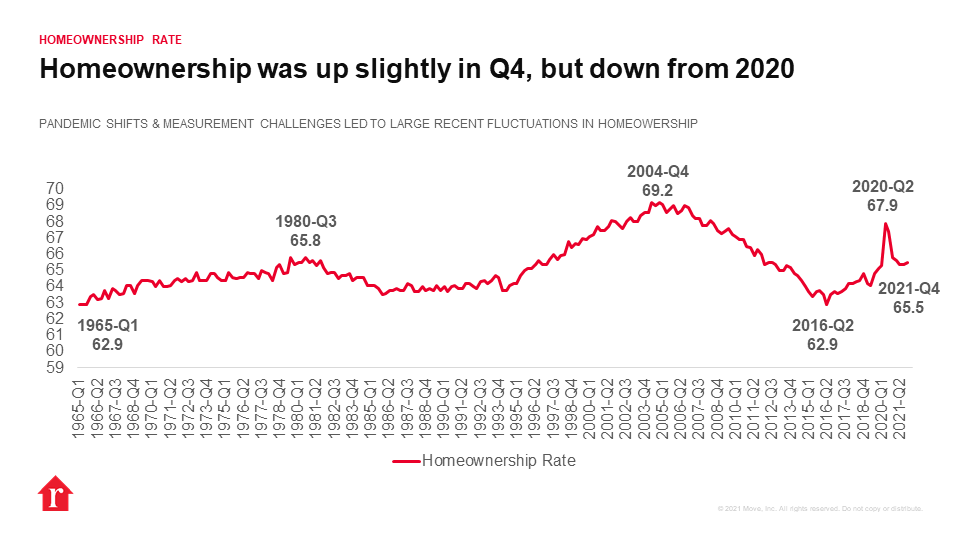
Source: Realtor.com
In 2021, Australia recorded approximately 9.8 million households (ABS 2022a). A detailed assessment of housing tenure types among these households presented the following statistics:
Homeowners accounted for 67% (6.2 million households), divided into those without a mortgage (32%, 2.9 million households) and those with a mortgage (35%, 3.3 million households).
Renters represented 31% (2.9 million households), further categorised into those renting from private landlords (26%, 2.4 million households), state or territory housing authorities (3.0%, 277,500 households), and other landlords (2.4%, 223,600 households).
A marginal proportion (2.1%, 192,200 households) belonged to other tenure types, comprising households neither owning their homes nor renting (ABS 2022a).
Evolving Trends in Homeownership and Housing Tenure
While Census data offers the most comprehensive understanding of Australia’s housing tenure, its five-year interval necessitates supplementary data sources to observe more immediate changes. The Survey of Income and Housing bridges this gap, shedding light on housing trends during non-Census periods.
The past two decades leading up to 2019–20 have witnessed a pivotal shift in housing tenure. The proportion of households owning their home outright has dwindled, whereas households with a mortgage and those under private rental agreements have seen an uptick (Figure 1) (ABS 2022b).
Understanding the Shift
This notable shift from outright ownership to increased mortgaging and renting reflects a combination of various socio-economic factors. Changes in housing prices, wage growth stagnation, demographic transitions, and alterations in lending policies all contribute to these evolving trends. However, homeownership continues to retain its allure for many Australians amid this dynamic landscape, prompting a persistent reevaluation and restructuring of the nation’s housing market.
Concluding Thoughts
As Australia’s homeownership and housing tenure landscape continues to evolve, the requirement for strategic and responsive housing policies is paramount. A thorough understanding of these trends and adaptive strategies can guide the nation towards sustainable and inclusive homeownership. Despite the myriad challenges, the Australian dream of homeownership continues to burn bright, fueling the discourse on housing in the Land Down Under. It is a testament to the enduring belief that secure and affordable housing can become a reality for Australians with perseverance, adaptability, and sound policies.
